Aki Reiki · Greenfield, WI

Meet Karen

Grounded in training. Guided by care. Rooted in healing.

Who is Karen Parisien?

A Reiki Master and Advanced Practice Clinical Social Worker

Hi, I'm Karen Parisien — a Reiki Master trained in the Usui Shiki Ryoho lineage and licensed in Advanced Practice Clinical Social Work with a Master's degree in Social Work. I offer gentle, grounded energy healing sessions in Greenfield, WI, located within Renew Holistic Wellness.

I came to Reiki through my own search for rest — not the kind that comes from sleep or productivity, but the deeper kind that comes from actually slowing down and letting your nervous system settle. That experience changed how I work and how I show up for the people I serve.

My sessions are quiet, careful, and unhurried. I believe healing is not something done to you — it's something your body moves toward when it finally feels safe enough to do so.
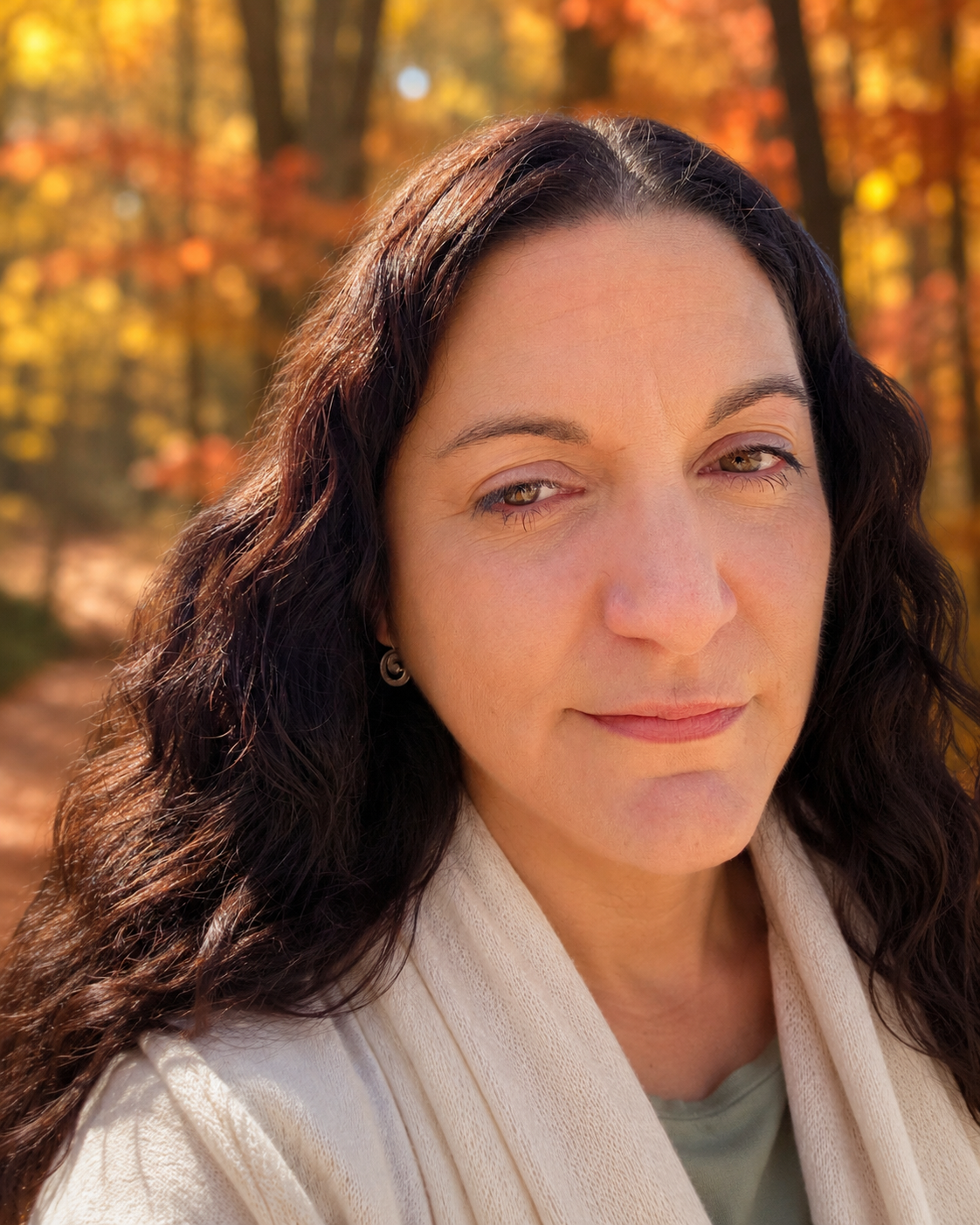
Karen Parisien, Reiki Master and Advanced Practice Clinical Social Worker

Training & Credentials

What I bring to every session

Reiki Master

Usui Shiki Ryoho

I trained through the traditional Usui lineage, studying at each level before receiving my Master attunement. This means I hold the full scope of Reiki practice — not just technique, but lineage, intention, and the ethics of holding space for another person's healing.

Advanced Practice Clinical Social Work

Master's Degree in Social Work (MSW) · Advanced Practice License

My background in clinical social work gives me a deep understanding of trauma, the nervous system, and how emotional pain lives in the body. I've spent years learning how to hold space for people — with skill, with boundaries, and with genuine care.

Why this combination matters

My background in advanced practice clinical social work means:

  • I understand trauma and how it lives in the body
  • I know how to hold space for difficult emotions with compassion and skill
  • I respect the intersection of physical, emotional, and spiritual wellness
  • I can recognize when Reiki is the right support — and when additional professional care might also help

My training as a Reiki Master means:

  • I've studied the traditional Usui lineage deeply and with reverence
  • I hold space for healing without trying to fix or direct your experience
  • I'm committed to your agency, consent, and autonomy in every session

Together, these credentials allow me to offer grounded, skillful, compassionate energy healing.

My Why

Why I do this work

I've spent most of my professional life working with people who are carrying a lot — grief, burnout, transitions, the accumulated weight of just trying to keep things together. Talk therapy is powerful work. But I noticed that some of what people were carrying couldn't be reached with words alone.

Reiki found me at a moment when I needed rest more than I needed answers. It offered something I hadn't been able to give myself: permission to stop, to be held by something quiet, to let my body do what it already knows how to do.

I became a Reiki practitioner because I wanted to offer that to others. Not as an alternative to clinical care, but as something alongside it — a place where your nervous system can finally exhale.

Aki means earth and land in Ojibwe. For me, it represents what Reiki offers: grounding, rootedness, belonging, and home.

What to Expect

What happens in a session with Karen

Before your session

We'll briefly connect so I understand what brought you in and whether there's anything — an area of tension, an intention, a preference about touch — that would be helpful for me to know. There's no pressure to share anything you don't want to.

During your session

You'll rest fully clothed on a warm, comfortable table. I work with light hand placements on or just above the body. The room is quiet. Most people feel warmth, tingling, or a deep sense of stillness. Some fall asleep. All of it is welcome.

After your session

We'll take a few minutes to return to the room at your own pace. I'll share anything I noticed and answer questions. You may feel deeply relaxed, lighter, or simply different in a way that's hard to name. That's normal — take it slow on the way home.

What you don't need

  • You don't need any particular spiritual background or practice
  • You don't need to talk about your life or your problems
  • You don't need to have any specific intention or goal for the session
  • You don't need to change anything about yourself to be welcome here

Reiki & Clinical Expertise

Two approaches. One grounded practice.

People sometimes ask how my clinical background fits with Reiki. The short answer is: it deepens it. Both practices are about holding space for someone — being present, attuned, and skilled enough to step back and let the other person's own process unfold.

Therapy (talk-based)

Helps you understand patterns, process emotions, build awareness, and develop skills. Works through language, insight, and reflection. Engages the thinking mind.

Reiki (energy-based)

Helps your nervous system settle, releases what your body is holding, and creates space for deep rest. Works below language — through sensation, stillness, and presence.

I'm not offering therapy in my Reiki sessions — that's an important distinction. But my clinical training means I understand what you might be carrying, I know how to hold space for it skillfully, and I respect the boundaries between practices. You don't have to explain yourself. You just get to rest.

Why clients choose Aki Reiki

What you can count on

Licensed professional with both clinical and energy healing training

Trauma-informed and consent-based — you're always in control

Grounded in traditional Usui Reiki lineage

Confidential, safe, judgment-free space for every client

Experienced in supporting stress, burnout, grief, and life transitions

Fully clothed sessions — hands-on or hands-off, your choice

Questions

A few honest answers

Are you licensed? +

Yes. I'm licensed in Advanced Practice Clinical Social Work and a Reiki Master. These are separate credentials — my Advanced Practice license is a state-issued clinical license, and my Reiki training is through the traditional Usui Shiki Ryoho lineage. I'm not providing therapy in my Reiki sessions, but my clinical background deeply informs how I work.

What's the difference between Reiki and therapy? +

Therapy is a licensed clinical service that works through language, insight, and the therapeutic relationship. Reiki is an energy-based complementary practice that works through presence and light touch. I don't offer therapy during Reiki sessions — but my training means I understand what you might be carrying and I know how to hold space for it with care.

Do I have to be spiritual to benefit from Reiki? +

Not at all. You're welcome to be curious, skeptical, or somewhere in between. Many clients come without any spiritual framework and still experience deep rest and a noticeable shift. No belief system is required.

How did you become interested in Reiki? +

I came to Reiki through my own need for the kind of rest that talk therapy couldn't quite reach. After years of clinical work and supporting others, I found myself depleted — and Reiki offered something different: quiet, presence, and a place for my nervous system to settle. That experience, and what I saw it do for other people, is why I became a practitioner.

Is Reiki a substitute for medical or mental health care? +

No. Reiki is a complementary practice — it works alongside, not instead of, medical or mental health care. I'll never suggest you discontinue treatment or forgo care you need. If anything, my clinical background makes me more careful about that distinction, not less.

Ready to experience grounded Reiki?

Book your session and take the first step toward rest, balance, and renewal.

Book Your Session